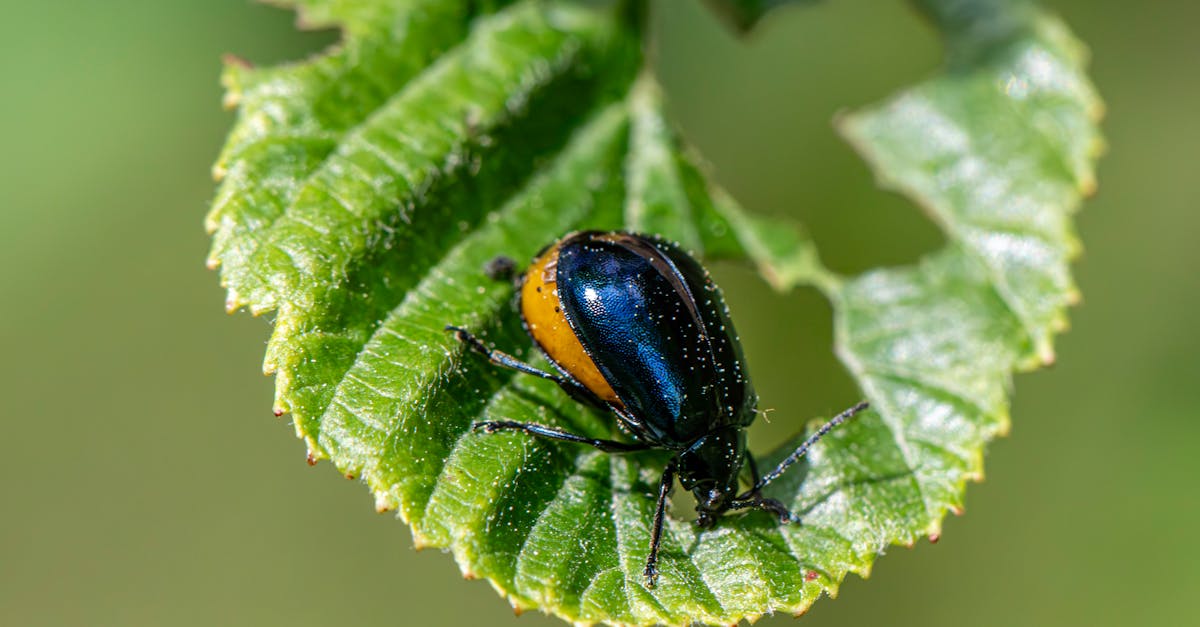
Advancing Business Efficiency Through Integrated Pest Management Strategies
Table Of Contents
Environmental Considerations in Pest Management
The impact of pest management on the environment is a critical aspect that businesses must consider. Traditional pest control methods often rely on chemical pesticides, which can lead to negative consequences for non-target species, soil health, and water quality. Integrated Pest Management (IPM) focuses on holistic approaches that minimise reliance on harmful substances, utilising natural predators and environmentally friendly techniques. These strategies not only reduce potential harm to ecosystems but also foster a sustainable approach that many consumers appreciate.
Additionally, incorporating ecological principles into pest management can improve biodiversity and strengthen natural ecosystems. By prioritising practices such as habitat enhancement and crop rotation, businesses can create an environment that supports beneficial organisms while controlling pest populations. This leads to a more resilient agricultural landscape. Businesses embracing these principles not only contribute positively to the environment but also build a reputation centred around sustainability, appealing to environmentally conscious customers and stakeholders.
Sustainable Practices for Long-Term Success
Implementing sustainable practices is essential for ensuring ongoing success in pest management. Approaches such as habitat modification and the use of bio-controls significantly reduce reliance on chemical pesticides. This not only protects beneficial insects but also promotes a healthier ecosystem. Incorporating organic and natural pest deterrents can mitigate risks associated with synthetic chemicals while enhancing the overall resilience of the environment.
Training employees to recognise and adopt these sustainable practices fosters a proactive approach to pest management. Through education, staff become more aware of their surroundings and can identify potential pest issues before they escalate. Encouraging daily pest-prevention habits supports an integrated approach, ensuring that pest management becomes a shared responsibility. Long-term commitment to sustainability strengthens the foundation of efficient operations while contributing positively to the community and surrounding environment.
Training Employees on IPM Techniques
Effective training on Integrated Pest Management (IPM) techniques equips employees with the knowledge and skills to manage pest issues proactively. Workshops and hands-on demonstrations can provide practical insights into identifying common pests and understanding their behaviours. Encouraging dialogue during training sessions allows team members to share experiences and challenges faced in pest management. This collaborative approach strengthens the overall understanding of IPM principles while fostering a sense of ownership in maintaining a pest-free environment.
Ongoing education is essential to ensure that employees stay informed about the latest IPM practices and technologies. Regular refresher courses can help reinforce key concepts while providing updates on new pest threats and management methods. Emphasising the importance of reporting pest sightings and practices in place cultivates a culture of vigilance within the organisation. By continuously engaging staff in IPM training, companies can enhance their pest management efforts and contribute to a healthier workplace.
Building a Pest-Free Culture Within the Workplace
Creating a pest-free environment relies heavily on fostering a proactive culture among employees. By involving staff in pest management initiatives, businesses can enhance awareness and encourage personal responsibility. Regular training sessions can empower employees with the knowledge to identify potential pest issues early. This approach enables them to feel invested in the overall health and safety of the workplace. Employees equipped with the right information can contribute to the ongoing success of integrated pest management strategies.
Communication plays a pivotal role in establishing this culture. Regular updates regarding pest management strategies and any identified issues promote transparency. Channels for reporting potential pest sightings or concerns must be clear and accessible. Encouragement and recognition of proactive involvement can motivate staff to remain vigilant. This collaborative effort contributes significantly to minimising pest-related problems and reinforces a commitment to maintaining a healthy work environment.
Monitoring and Evaluation of IPM Strategies
Regular monitoring is crucial for the success of integrated pest management (IPM) strategies. It involves the systematic observation of pest populations and the effectiveness of control measures. This allows businesses to identify trends, evaluate the impact of interventions, and make informed decisions. The frequency of monitoring can vary depending on the specific environment and pest dynamics, but consistent evaluations ensure timely updates to management practices. Through accurate data collection and analysis, organisations can recognise patterns of pest activity and adjust their strategies accordingly.
Evaluating the performance of IPM initiatives involves establishing clear metrics that align with organisational goals. Key performance indicators may include the reduction in pest populations, the frequency of pest-related incidents, and employee reports on the effectiveness of implemented measures. Regular reviews of these metrics provide insights into the relative success of pest management strategies and highlight areas for improvement. Moreover, fostering a culture of continuous learning within the workforce supports the ongoing refinement of practices, ensuring a proactive approach to pest management.
Metrics for Measuring Effectiveness and Adjusting Plans
Effectiveness in Integrated Pest Management (IPM) can be gauged through various metrics that provide insights into the success of implemented strategies. Regular data collection related to pest incidence, treatment costs, and employee feedback plays a crucial role in understanding the impact of IPM efforts. Comparisons between pest populations before and after implementing specific interventions help in determining their efficacy. Documenting trends over time ensures that businesses can identify patterns, assess resource allocation, and make informed decisions for future pest control measures.
Adjustments to IPM plans are vital to maintain a responsive approach to pest management. Regular evaluation of collected data allows for real-time alterations in practices to address emerging challenges or unforeseen infestations. Engaging with employees to gather their observations enhances the responsiveness of the IPM strategy. Flexibility in adapting strategies based on monitoring results is essential for long-term sustainability, ensuring that pest management remains effective while aligning with broader business goals.
FAQS
What is Integrated Pest Management (IPM)?
Integrated Pest Management (IPM) is a comprehensive approach to pest control that focuses on long-term prevention and minimisation of pest problems through a combination of techniques, including biological control, habitat manipulation, and use of resistant varieties, alongside chemical control methods when necessary.
Why are environmental considerations important in pest management?
Environmental considerations are crucial in pest management as they help protect ecosystems, reduce pesticide resistance, and ensure that pest control methods do not negatively impact non-target species, human health, and the surrounding habitat.
How can sustainable practices enhance pest management efforts?
Sustainable practices such as crop rotation, organic farming, and using natural predators help reduce reliance on chemical pesticides, promote biodiversity, and enhance soil health, leading to more resilient pest management strategies and long-term success.
What types of training should employees receive for effective IPM?
Employees should receive training on the principles of IPM, identification of pests, monitoring techniques, the use of sustainable practices, and how to implement preventive measures. This knowledge empowers them to contribute to a pest-free workplace.
What are some metrics for evaluating the effectiveness of IPM strategies?
Metrics for measuring the effectiveness of IPM strategies can include the number of pest sightings, the impact of pest control measures on pest populations, employee feedback, and cost savings achieved through reduced pest damage and management.
Related Links
Cost-Effective Integrated Pest Management Solutions for EnterprisesOvercoming Challenges in Commercial Integrated Pest Management Implementation
Employee Training for Effective Integrated Pest Management in Workplaces
Measuring the Success of Integrated Pest Management in Commercial Operations
Tailoring Integrated Pest Management to Specific Industry Needs
Integrated Pest Management: A Case Study in Successful Commercial Practices
Essential Tools for Integrated Pest Management in Business Environments
Key Components of an Integrated Pest Management Strategy for Retail Spaces
Implementing Integrated Pest Management in High-Risk Commercial Settings