Creating a Safe Garden with Natural Pest Deterrents
Table Of Contents
Attracting Beneficial Insects
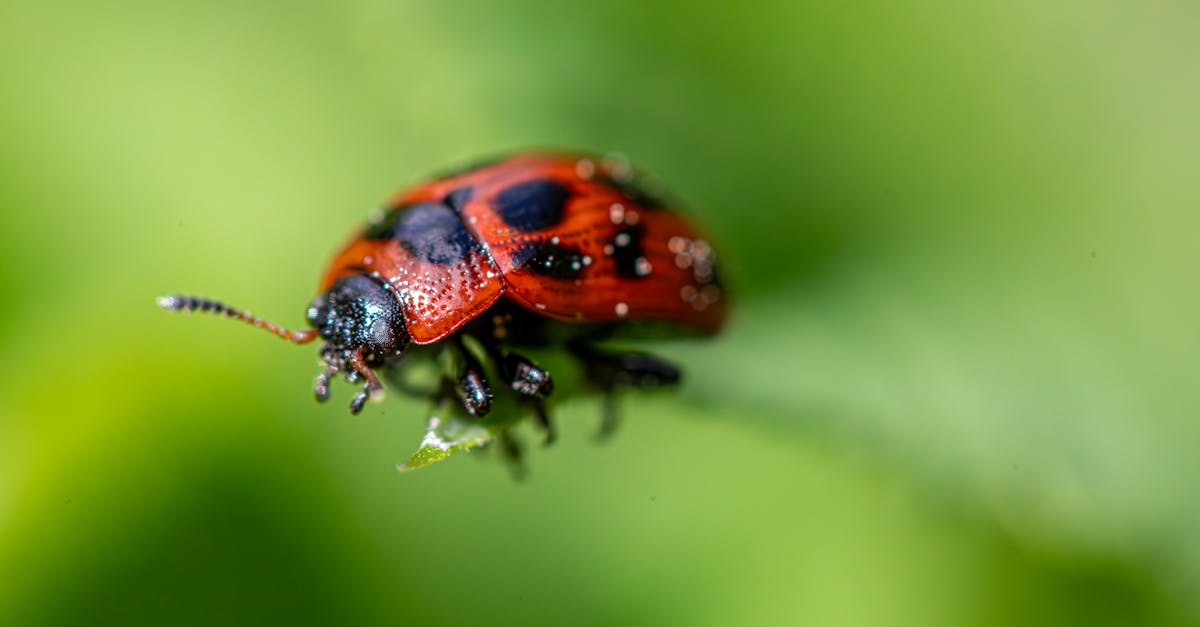
Creating a diverse garden environment encourages the presence of beneficial insects. Planting a variety of flowers alongside vegetables helps attract pollinators and pest predators. Species such as marigolds, daisies, and lavender can be particularly effective. These plants provide nectar and pollen, essential food sources for creatures like bees and ladybugs. By incorporating a mix of native plants as well, gardeners can foster a thriving ecosystem that naturally controls harmful pests.
Providing a suitable habitat is equally important for attracting these allies. Consider leaving some areas of the garden undisturbed, which allows for the establishment of natural shelters. Stone piles or small logs can support ground-dwelling insects, while taller plants provide refuge for those preferring an elevated setting. Water sources, such as shallow dishes filled with pebbles, can also aid in drawing these beneficial creatures into the garden space. Improving overall biodiversity is crucial for a robust and effective pest management strategy.
Encouraging Nature's Allies
Creating a diverse garden environment plays a crucial role in attracting beneficial insects. Incorporating a variety of flowering plants ensures a steady supply of nectar and pollen. This attracts pollinators like bees and butterflies, which contribute to plant health and fertility. Additionally, certain flowers such as marigolds can deter pests while simultaneously drawing in natural predators.
Another effective method involves providing shelter for beneficial insects. Leaving some areas untidy, with leaf litter and logs, encourages habitats for organisms like ladybugs and lacewings. These helpful allies feast on aphids and other harmful pests, maintaining a balanced ecosystem. By fostering a welcoming atmosphere for these species, gardeners can significantly reduce the need for chemical interventions.
Using Essential Oils as Repellents
Essential oils serve as effective natural repellents against various pests in the garden. Many oils possess strong scents that are unappealing to insects, thus deterring them from establishing their presence. For instance, peppermint oil is known for its ability to repel spiders and ants. Similarly, eucalyptus oil has been shown to keep mosquitoes at bay. Diluting essential oils with a carrier liquid and spraying them on plants creates a protective barrier without harming beneficial insects.
Using essential oils is not just about repelling pests; it also promotes a healthier garden environment. With minimal impact on the ecosystem, these oils allow for a more balanced approach to pest management. They can be combined with other natural remedies to enhance their effectiveness. Regular application is essential for maintaining their potency and ensuring lasting protection against unwanted invaders in your garden.
Effective Oils for Garden Protection
Essential oils serve as a powerful tool in maintaining a pest-free garden. Oils such as neem, peppermint, and tea tree can effectively deter a wide range of unwanted insects while remaining non-toxic to plants and beneficial creatures. Neem oil, derived from the seeds of the neem tree, disrupts the life cycle of pests, making it a popular choice among organic gardeners. Peppermint oil not only adds a refreshing aroma but also repels ants, aphids, and even spiders, creating a more pleasant environment for gardeners and visitors alike.
Another effective option is tea tree oil, known for its antifungal and antibacterial properties. This oil can discourage not just insects but also diseases that tend to affect plants. When diluted with water and applied as a spray, it can act as a protective barrier without harming the surrounding ecosystem. Incorporating these oils into regular gardening routines enables gardeners to enjoy lush, thriving plants while taking a natural approach to pest control.
Maintaining Soil Health
Healthy soil is the foundation of a thriving garden. It promotes strong root development and improves plant resilience against pests and diseases. Various organic matter such as compost or well-rotted manure enriches the soil, enhancing its structure and nutrient content. Regularly adding these amendments ensures that the soil remains aerated and retains moisture, creating an environment where plants can flourish.
Soil health also depends on a diverse ecosystem of microorganisms and earthworms. These organisms break down organic material, making nutrients available to plants. They also aid in pest deterrence by competing with harmful insects for resources. Practising crop rotation and incorporating a wide variety of plants can further support this ecosystem, allowing beneficial organisms to thrive while minimizing the likelihood of pest outbreaks.
The Role of Healthy Soil in Pest Deterrence
Healthy soil serves as the foundation for vibrant plants, which can naturally resist pest infestations. A well-balanced soil ecosystem supports diverse microbial life and essential nutrients, promoting robust plant growth. Stronger plants produce more oils, resins, and other compounds that deter pests, reducing the need for chemical interventions. When plants thrive in nutrient-rich environments, they are better equipped to withstand unwanted insect activity.
Additionally, soil health impacts the interactions between plants and pests. Healthy soil encourages the growth of deep root systems, enabling plants to absorb water and nutrients more effectively. This resilience can make plants less susceptible to stress factors, which often attract pests. By investing in soil health through composting and organic matter, gardeners can create a more balanced ecosystem, fostering natural deterrents against potential threats.
FAQS
What are some examples of beneficial insects I can attract to my garden?
Some examples of beneficial insects include ladybugs, lacewings, and parasitic wasps. These insects help control pest populations by preying on harmful insects that can damage your plants.
How can I encourage nature’s allies in my garden?
You can encourage nature's allies by planting a diverse range of flowers and herbs that provide nectar and pollen, creating habitats such as insect hotels, and avoiding the use of chemical pesticides that may harm beneficial insects.
What essential oils are effective for repelling garden pests?
Effective essential oils for garden protection include peppermint, eucalyptus, lavender, and tea tree oil. These oils can deter various pests when diluted and sprayed around plants.
How do I use essential oils safely in my garden?
To use essential oils safely, dilute them in water or a carrier oil before applying them to your plants. It's important to test a small area first to ensure no adverse reactions occur on the plants.
What is the role of healthy soil in pest deterrence?
Healthy soil plays a crucial role in pest deterrence by promoting strong plant growth and resilience. It supports beneficial microorganisms and insects that help control pest populations and reduces the likelihood of plant diseases.
Related Links
Effective Use of Vinegar as a Pest Repellent in the HomeCoffee Grounds: An Unexpected Ally Against Household Pests
Understanding the Benefits of Soap Solutions in Pest Control
How to Create a Pest-Repelling Herb Garden
The Role of Neem Oil in Organic Pest Management
Citronella: More Than Just a Scent for Keeping Pests Away