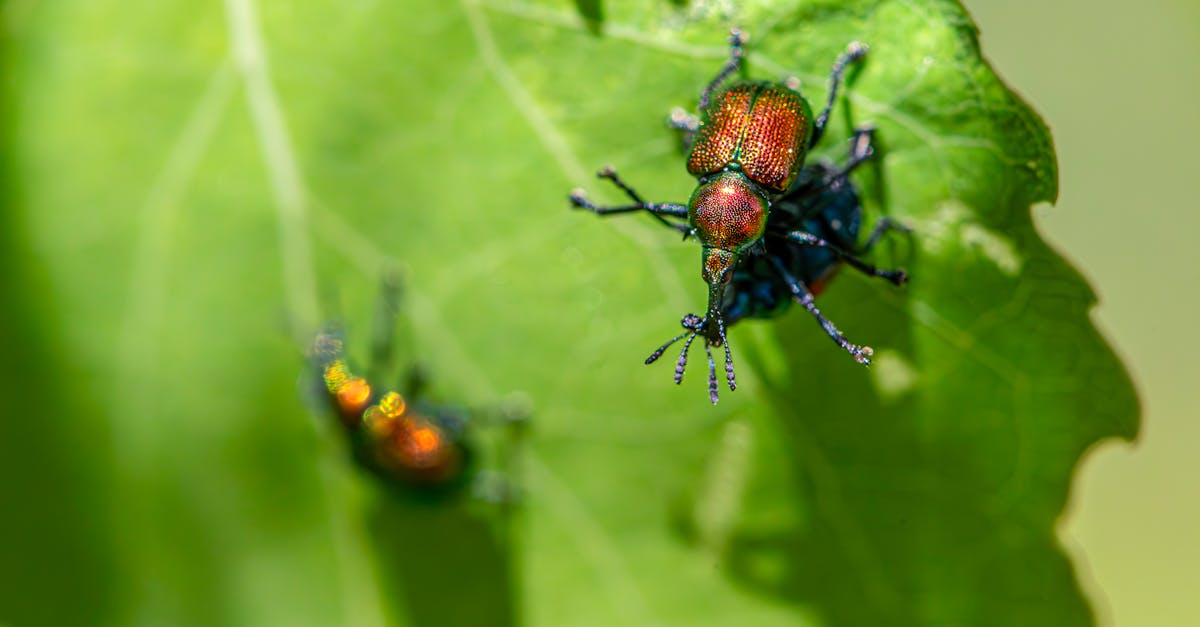
Landscaping Tips for a Pest-Free Outdoor Space
Table Of Contents
Maintaining a Clean Garden Space
A tidy garden space is crucial for deterring pests and promoting healthy plant growth. Regular maintenance tasks such as weeding, deadheading flowers, and trimming overgrown shrubs help keep areas free from hiding spots. Additionally, promptly removing any fallen fruit or plant debris minimises food sources for potential pests. An organised approach to garden upkeep aids in early detection of infestations, allowing for proactive measures to be taken before problems escalate.
Implementing a consistent cleaning schedule can further enhance pest management efforts. Frequent sweeping or raking reduces lingering organic matter that may attract unwanted insects and rodents. It’s also beneficial to establish designated areas for composting, ensuring that decaying matter is managed properly and does not contribute to pest issues. Overall, a clean and well-maintained garden fosters a more enjoyable outdoor environment while providing an effective defence against common pests.
Best Practices for Debris and Waste Management
Effective debris and waste management is essential for maintaining a healthy garden. Regularly clearing away fallen leaves, broken branches, and other organic materials helps prevent pests from finding shelter and breeding grounds. These remnants can attract unwanted insects and rodents, especially when left in damp conditions. Establishing a routine for cleaning up these materials, particularly during seasonal changes, can significantly enhance the overall health of your outdoor space.
Composting is another viable option for handling organic waste while benefiting your garden. By correctly managing a compost pile, you can transform kitchen scraps and garden waste into nutrient-rich soil amendments. This practice not only reduces the volume of waste that can attract pests but also improves soil quality. Ensuring the compost is aerated and maintained at the right moisture level will aid in deterring pests, creating a more inviting environment for your plants.
Water Management Strategies
Effective water management is crucial for maintaining a healthy garden while minimising the risk of pest infestations. Overwatering can create a breeding ground for various insects and fungi. Implementing a drip irrigation system ensures that plants receive adequate moisture directly at the roots, reducing excess water pooling in the surrounding soil. This method not only conserves water but also keeps the garden healthier by preventing waterlogged conditions that pests thrive in.
In addition to drip irrigation, regularly monitoring your garden's moisture levels can help identify when to water. Testing the soil's moisture can guide you in adjusting your watering schedule according to individual plant needs, weather conditions, and seasonal changes. Maintaining appropriate moisture levels promotes robust plant growth, making them less susceptible to pests and diseases. By being mindful of how and when you water, you can create a healthier outdoor environment that discourages pest problems.
How Proper Irrigation Reduces Pest Infestation
Effective irrigation practices play a crucial role in pest management within a garden. Overwatering can lead to waterlogged soil, creating an ideal environment for pests such as mosquitoes and gnats. These insects thrive in soggy conditions, making it essential to monitor moisture levels and ensure proper drainage. By using irrigation systems that deliver the right amount of water, gardeners can help maintain a balanced environment that discourages pest breeding.
Moreover, applying water in the early morning allows plants to absorb moisture efficiently throughout the day. This time frame reduces excess humidity within the garden during the evening when many pests are most active. A well-structured irrigation plan can contribute to healthier plants, which are less susceptible to infestations. Taking these steps can enhance the beauty of your outdoor space while minimising unwanted visitors.
Mulching for Pest Control
Incorporating mulch into your garden can significantly enhance pest control efforts. A thick layer of organic mulch not only suppresses weed growth but also helps create a barrier, making it more difficult for pests to establish themselves. Mulch retains soil moisture, promoting healthy plant growth while discouraging the conditions that attract harmful insects.
Different types of mulch offer various benefits in pest management. For instance, cedar and eucalyptus mulches have natural insect-repelling properties, which can deter pests from invading your garden. Additionally, using mulch made from hardwood or straw can enhance soil health, encouraging beneficial organisms that compete with harmful pests. A well-planned mulching strategy not only beautifies your outdoor space but also contributes to a natural pest control system.
Benefits of Using Mulch in Your Landscape
Applying mulch in your landscape offers numerous advantages that can significantly enhance the health and appearance of your garden. It acts as an insulating layer, helping to regulate soil temperature, which in turn fosters a more stable environment for plant roots. This temperature control can be particularly beneficial during extreme weather conditions, such as scorching heat waves or unexpected frosts.
In addition to temperature regulation, mulch plays a crucial role in moisture retention. It reduces water evaporation from the soil surface, ensuring that the plants receive a consistent supply of hydration. This is especially important in Australia, where varying rainfall can lead to dry spells. Furthermore, organic mulches improve soil quality as they decompose, providing essential nutrients and enhancing the overall fertility of the garden.
FAQS
How can I maintain a clean garden space to prevent pests?
Keeping your garden clean involves regularly removing debris, fallen leaves, and waste that can provide shelter for pests. Make sure to clear any dead plants and grass clippings, as these can attract unwanted insects.
What are the best practices for debris and waste management in landscaping?
Best practices include composting organic waste, using sealed bins for rubbish, and regularly sweeping up fallen leaves and plant material. This not only helps in pest control but also promotes a healthier garden environment.
How does proper irrigation help in reducing pest infestation?
Proper irrigation minimizes water pooling and overwatering, which can create a breeding ground for pests such as mosquitoes. By ensuring that your garden is neither too dry nor too wet, you can reduce the chances of pest problems.
What are the benefits of using mulch in my landscape?
Mulch helps retain soil moisture, regulate temperature, and suppress weeds—all of which contribute to a healthier garden. Additionally, certain types of mulch can deter pests, making it a valuable tool for pest control.
How often should I reapply mulch for effective pest control?
It's recommended to check your mulch annually and reapply as needed, typically every 6 to 12 months, depending on the type of mulch used and environmental conditions. This ensures continued effectiveness in pest management and soil health.
Related Links
How to Safely Store Food to Avoid Attracting PestsImportance of Regularly Inspecting Your Property for Pests
Simplicity of Regular Cleaning in Pest Prevention
Understanding the Role of Moisture Control in Pest Management
Seasonal Maintenance Tips to Prevent Pest Infestations