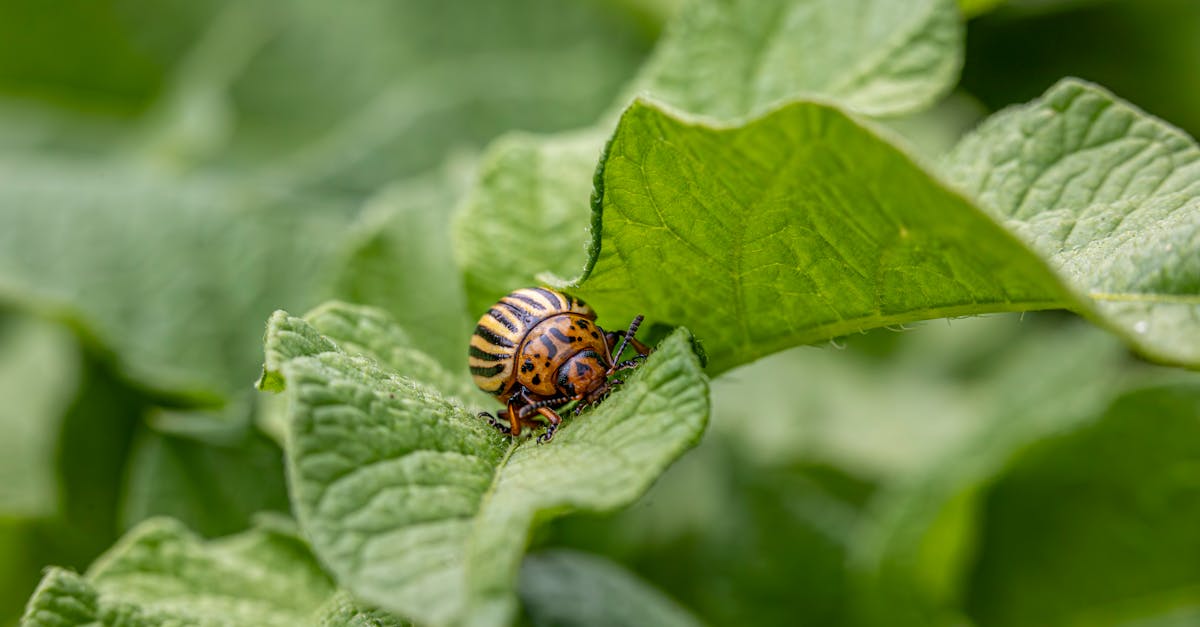
The Impact of Pests on Food Quality and Safety Standards
Table Of Contents
Regulatory Standards for Food Safety
Food safety is governed by a framework of regulatory standards designed to protect consumers from health risks associated with contaminated products. These regulations are implemented at various levels, including local, state, and federal authorities. Each jurisdiction may have specific requirements regarding the management of pests in food handling and production environments. Compliance is crucial for businesses to maintain their licences and operate legally within the food industry.
Inspections and audits are common practices in ensuring adherence to these standards. Authorities assess storage facilities, processing areas, and transportation methods to identify potential pest-related hazards. Documentation of pest control measures is often required to demonstrate compliance. This proactive approach not only safeguards public health but also enhances the overall reputation of food operations, fostering trust among consumers.
Guidelines to Mitigate Pest Risks
Effective management of pest risks is essential for maintaining food quality and safety. Implementing sanitation practices forms the foundation of pest control. Regular cleaning of storage areas and food preparation surfaces limits pest attraction. Additionally, proper waste disposal techniques help to eliminate breeding grounds. Monitoring food supplies for signs of infestations can enable early detection and prompt action.
Physical barriers play a crucial role in pest prevention. Sealing cracks and crevices in buildings creates an effective barrier against pests. Installing screens on windows and vents also reduces access points. Regular inspections of facilities can identify potential vulnerabilities, while proactive maintenance can prevent pest opportunities. Educating staff on these practices fosters a culture of vigilance, ensuring everyone plays a part in minimizing pest risks.
The Impact of Climate Change on Pest Activity
Changes in temperature and precipitation patterns are significantly influencing pest populations globally. Warmer temperatures can accelerate pest life cycles, leading to increased reproduction rates and a greater number of generations each season. This shift can result in a higher prevalence of pests that threaten various crops, ultimately impacting food production.
Additionally, altered weather patterns can create favourable environments for pests that were previously less of a concern. For instance, increased humidity can lead to more significant outbreaks of certain insects and pathogens. As pests adapt to new conditions, farmers may find traditional pest management strategies less effective, necessitating a rethink of their approaches to protect food quality and safety.
How Weather Patterns Affect Pest Populations
Weather patterns significantly influence pest populations, which in turn affect food quality and safety. Factors such as temperature, humidity, and precipitation determine the survival and reproduction rates of various pests. Warmer temperatures often lead to accelerated life cycles, allowing pests to breed more rapidly. On the other hand, increased rainfall can create conducive environments for certain pests, while also enabling the proliferation of their food sources.
Seasonal changes play a crucial role in pest behaviour. For instance, milder winters may result in higher survival rates for pests that typically die off in cooler conditions. Additionally, extreme weather events, such as droughts or floods, can disrupt natural pest control mechanisms, leading to unchecked pest populations. Understanding these dynamics is essential for implementing effective pest management strategies that aim to preserve food safety standards.
Integrated Pest Management Approaches
A holistic approach is crucial for managing pest populations in food production. Integrated Pest Management (IPM) combines biological, cultural, physical, and chemical tools to minimise pest damage while reducing risks to people and the environment. This strategy prioritises long-term prevention through ecological practices like crop rotation and biological control. By understanding pest life cycles and behaviours, growers can implement targeted interventions that disrupt populations, rather than relying solely on chemical pesticides.
Incorporating regular monitoring and assessment of pest thresholds is essential in this framework. Effective IPM relies on data collection to inform decisions, enabling producers to apply measures only when necessary. Training for staff on pest identification and habitat management further enhances success. Engaging community resources, such as local agricultural extension services, can provide additional support and knowledge sharing to improve pest management practices across regions.
Sustainable Techniques for Food Safety
Employing biological control methods can significantly contribute to sustainable food safety practices. This approach utilises natural predators to manage pest populations, reducing the reliance on chemical pesticides. Introducing beneficial insects, such as ladybugs and predatory mites, helps create a balanced ecosystem. This not only enhances soil health but also promotes the overall resilience of crops. Additionally, companion planting can deter harmful pests, as certain plants have properties that repel them, establishing a harmonious agricultural environment.
Implementing cultural practices also plays a crucial role in ensuring food safety. Crop rotation disrupts pest life cycles and minimizes their ability to establish populations. Diversifying crops can reduce pest outbreaks, as specific insects tend to target particular plants. Soil management techniques, such as maintaining healthy soil microbiomes, contribute to robust crop growth, which makes them less vulnerable to pest infestations. Combining these sustainable techniques fosters an integrated approach, ensuring safer food production while safeguarding the environment.
FAQS
What are the main regulatory standards for food safety concerning pests?
The main regulatory standards for food safety concerning pests typically include guidelines set by food safety authorities that require regular inspections, pest control measures, and proper sanitation practices to prevent contamination.
How can food businesses mitigate pest risks effectively?
Food businesses can mitigate pest risks by implementing a combination of sanitation practices, regular pest monitoring, using traps, and ensuring proper waste management to reduce attractants for pests.
How does climate change influence pest activity?
Climate change can influence pest activity by altering temperature and humidity levels, which can lead to increased pest populations and expanded geographic ranges for certain species, potentially affecting food safety.
In what ways do weather patterns affect pest populations?
Weather patterns, such as increased rainfall or prolonged drought, can significantly affect pest populations by creating favourable breeding conditions or limiting their natural predators, thereby impacting their proliferation.
What are integrated pest management approaches and how do they contribute to food safety?
Integrated pest management (IPM) approaches combine various strategies, including biological control, habitat manipulation, and the judicious use of pesticides, to manage pest populations in an environmentally sustainable way, thus enhancing food safety standards.
Related Links
Effective Rodent Management Techniques for Food Service VenuesPreventing Infestations in Cafés: Key Strategies for Owners
Seasonal Pest Challenges Faced by Food Establishments
Integrated Pest Management Solutions for Busy Restaurant Environments
Understanding the Role of Hygiene in Pest Prevention for Eateries
Common Pests in Commercial Kitchens and How to Handle Them