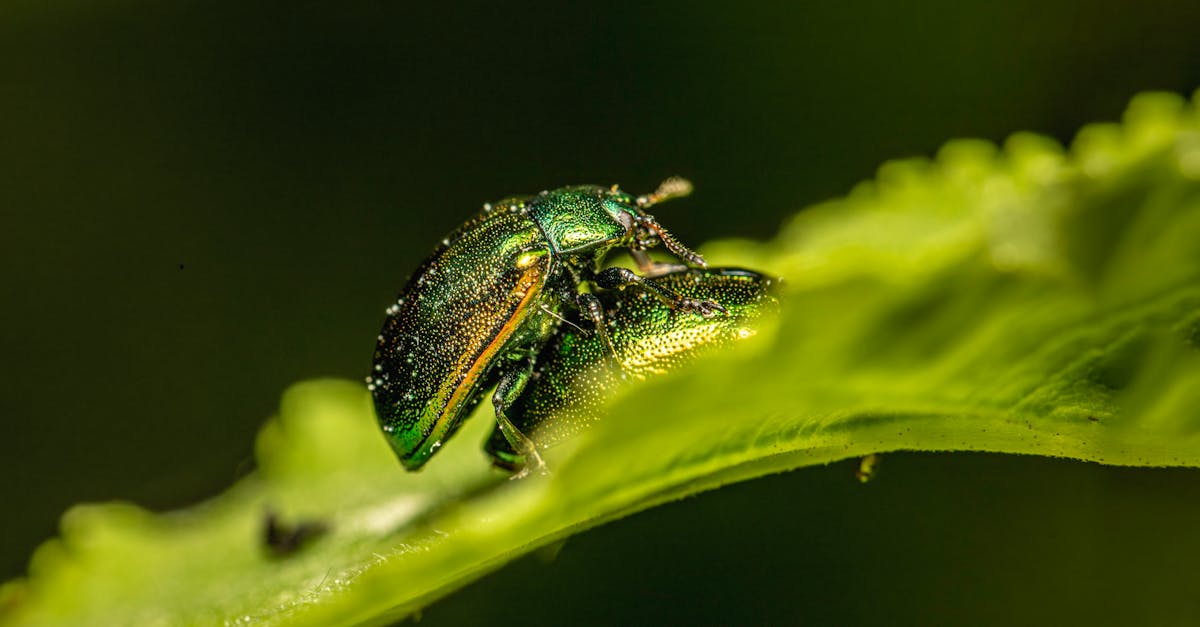
Understanding the Science Behind Organic Pest Control
Table Of Contents
Integrated Pest Management Strategies
Effective pest control requires a multifaceted approach that minimises environmental impact while keeping crop yields high. Integrated Pest Management (IPM) combines various strategies, including cultural, biological, and mechanical methods, to manage pest populations. Cultural practices might involve crop rotation or selecting pest-resistant plant varieties. Biological methods often include the use of natural predators or parasites that target specific pests. Mechanical controls could range from physical barriers like nets to traps that capture unwanted species.
Each component of these strategies plays a vital role in reducing dependency on synthetic pesticides. By fostering a diverse ecosystem, IPM encourages beneficial insects and wildlife that contribute to pest regulation. This holistic approach not only protects the immediate environment but also promotes long-term agricultural sustainability, making it crucial for organic farming practices. By integrating various techniques, growers can achieve a balance that mitigates pest issues while supporting ecological health.
Combining Organic Methods for Better Results
To achieve effective pest control, various organic methods can be integrated to enhance overall results. Techniques such as companion planting can create natural barriers against pests while promoting plant health. By strategically placing beneficial plants alongside crops, farmers can deter harmful insects and encourage the presence of predators, creating a more resilient ecosystem.
Additionally, the use of natural repellents derived from essential oils or plant extracts can complement these methods. Applying these repellents can discourage pests without harming beneficial organisms. By combining these diverse organic strategies, growers can foster a sustainable approach to pest management, ensuring healthier crops and minimising reliance on synthetic chemicals.
The Science of Plant Resistance
Plants have evolved various defence mechanisms to protect themselves from pests and diseases. These adaptations can be classified into physical barriers, such as thorns and waxy cuticles, and chemical responses, which include the production of secondary metabolites. These compounds often deter herbivores or inhibit pathogen growth. Understanding these traits allows researchers to identify plant varieties that exhibit higher resistances and tap into their genetic potential.
Genetic traits play a critical role in determining a plant's vulnerability to pests. Specific genes can confer resistance by enabling plants to recognise and respond to pest attacks more effectively. Breeding strategies can be used to enhance these valuable traits in crop varieties, leading to stronger plants that require fewer chemical interventions. By leveraging the science of plant resistance, sustainable agriculture can reduce reliance on synthetic pesticides, promoting a healthier ecosystem.
How Genetic Traits Affect Pest Vulnerability
Genetic traits in plants play a crucial role in determining their vulnerability to pests. Some species have developed natural resistance over generations, allowing them to withstand attacks from insects and diseases. This resistance can be attributed to various factors, including physical barriers like thick cuticles and chemical deterrents that repel or harm herbivores. These traits not only enhance the plants' survival in their natural habitats but also offer valuable insights for agricultural practices aiming to reduce reliance on synthetic pesticides.
Research into the genetic composition of susceptible and resistant plant varieties reveals significant variations. By identifying specific genes linked to pest resistance, scientists can breed new cultivars that inherit these advantageous traits. This approach contributes to the development of robust crops that require less chemical intervention, promoting sustainable agriculture. Understanding how these genetic factors influence pest interactions aids in creating tailored strategies for organic pest control, ensuring both economic viability and environmental health.
The Importance of Biodiversity
Biodiversity plays a crucial role in the health of ecosystems and the natural regulation of pests. A diverse range of plant and animal species ensures natural checks and balances within the environment. Different species can complement each other and create habitats that support beneficial organisms like predatory insects and pollinators. This diversity helps to mitigate pest populations by providing home and food sources for these natural enemies.
Incorporating a variety of plants in agricultural practices can significantly decrease reliance on chemical interventions. Planting native species alongside crops can enhance resilience against pests through various mechanisms, such as attracting helpful insects or creating barriers. Moreover, a biodiverse landscape fosters soil health and promotes a robust microbiome, which further supports crop vitality. Emphasising biodiversity not only aids in effective pest management but also creates sustainable agricultural systems that can withstand environmental changes.
Creating a Balanced Ecosystem for Pest Control
A healthy balance within an ecosystem plays a critical role in managing pests effectively. When various species coexist, natural predators can thrive alongside their prey. This dynamic allows for a more sustainable form of pest control, reducing the need for synthetic chemicals. By encouraging the presence of beneficial insects, such as ladybugs and lacewings, farmers and gardeners can create a natural cycle that keeps pest populations in check while promoting plant health.
Incorporating diverse plant species within agricultural systems enhances resilience against pest outbreaks. Companion planting is one strategy that leverages this principle, where certain plants are grown together to repel pests or attract beneficial organisms. A varied landscape not only supports a broader range of insects but also encourages soil health. This complexity ultimately contributes to the stability of the ecosystem, enabling it to adapt to challenges while maintaining productive yields.
FAQS
What is organic pest control?
Organic pest control refers to methods of managing pests using natural substances and processes, avoiding synthetic chemicals, in order to protect crops and the environment.
How does Integrated Pest Management (IPM) work?
Integrated Pest Management (IPM) combines various pest control strategies, including biological, cultural, physical, and chemical methods, to manage pest populations in an environmentally and economically sustainable way.
Why is biodiversity important in pest control?
Biodiversity plays a crucial role in creating a balanced ecosystem, which can naturally regulate pest populations and reduce the need for chemical interventions by promoting beneficial organisms that prey on pests.
How can plant resistance be enhanced through genetic traits?
Enhancing plant resistance involves selecting or genetically modifying traits that make plants less susceptible to pests, thereby reducing the reliance on external pest control methods.
What are some common organic methods used in pest control?
Common organic methods include the use of beneficial insects, companion planting, crop rotation, natural repellents, and the application of organic pesticides derived from natural sources.
Related Links
Top Organic Ingredients for Effective Pest RepellentsHow to Create Your Own Organic Pest Control Solutions at Home
Common Misconceptions About Organic Pest Control
How to Effectively Monitor Pests with Organic Solutions
Comparing Organic Pest Control and Traditional Methods