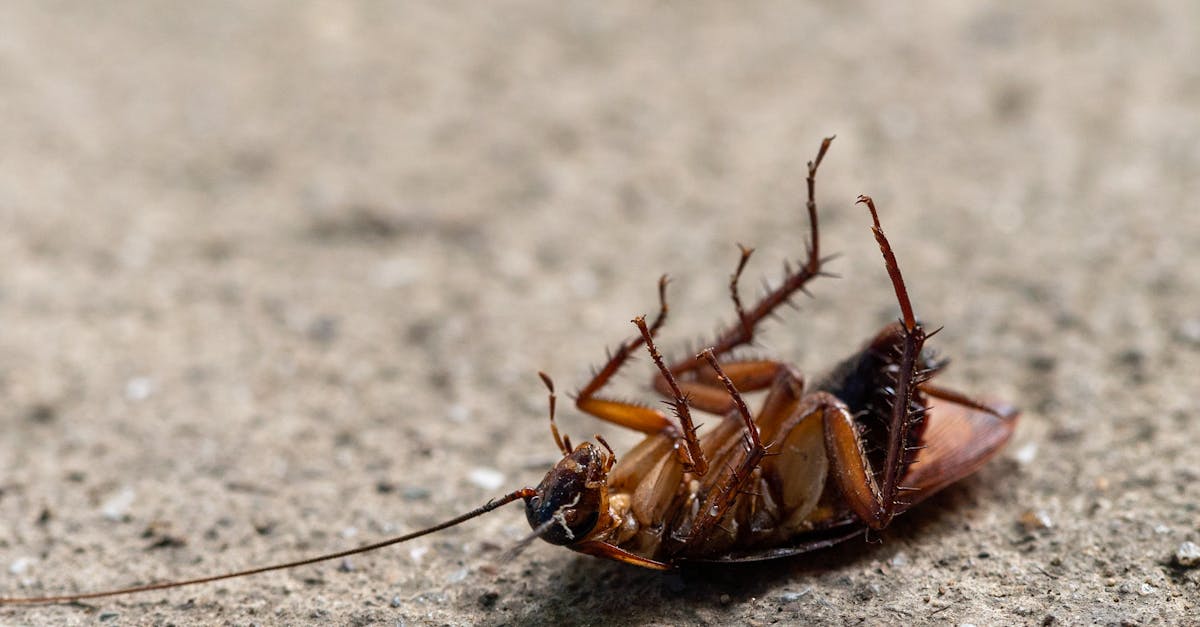
Winter Wariness: Common Pests to Watch During the Cold Months
Table Of Contents
Spiders Seeking Warmth
As winter approaches, many spiders begin to seek refuge in warmer environments. Homes and buildings become attractive havens for these eight-legged creatures, allowing them to escape the chilly temperatures outside. Common areas where they may be found include dark corners, basements, and attics. Their presence can be unsettling for many, leading to increased vigilance against their stealthy movements.
Some spiders are particularly adept at finding their way indoors during this time. Species like the funnel-web spider and the house spider are commonly spotted in homes across Australia. While most spiders are harmless, their sudden appearance can still provoke a sense of unease among residents. Understanding their behaviour and identifying the species can contribute to a more peaceful coexistence during the colder months.
Common Spiders to Keep an Eye On
During winter, certain spider species tend to invade homes in search of warmth and shelter. The house spider, with its characteristic long legs and brownish body, often builds webs in corners and undisturbed spaces. Its presence is usually harmless, but an increase in encounters may lead to concerns for the uninitiated homeowner.
Another species to be vigilant about is the black house spider. This spider is recognised by its darker coloration and can often be found nesting in secluded areas both inside and outside the home. While they are generally shy and non-aggressive, their bites can be painful. Identifying these spiders early can help mitigate any potential issues before they escalate into infestations.
Birds and Food Sources
Birds often adjust their foraging behaviours during winter months, seeking out reliable food sources to survive the colder conditions. Backyard feeders become crucial during this time, providing essential nutrition for various species. Many Australians take the opportunity to attract birds to their gardens, utilising seeds, fruits, and nectar to support local avian populations. Understanding the dietary preferences of different birds can enhance these feeding efforts, fostering a thriving environment for wildlife amidst the chilly weather.
In addition to backyard feeders, natural food sources play a vital role in sustaining bird life throughout winter. Berries, nuts, and other fruits rich in nutrients become highly sought after as birds prepare for the colder months. This shift in focus from insects to more stable food options influences the interactions between birds and local pests, creating a dynamic relationship where the presence of specific bird species can help control pest populations. Gardeners and nature enthusiasts alike can observe these interactions, noting how different bird species navigate their food sources while simultaneously managing the balance of pests in their environments.
Winter Bird Behaviour and Pest Interactions
Birds play a significant role in controlling pest populations, particularly during the colder months when food sources become scarce. Many species adapt their foraging habits to target pests that thrive in winter conditions. In gardens and urban areas, this can include insects that inhabit sheltered spaces, as well as larvae hidden beneath snow or leaf litter. Birds such as wrens, sparrows, and magpies often become more prominent in their search for food, actively seeking out these hidden pests.
The interactions between birds and pests during winter can have wide-ranging effects on local ecosystems. Birds not only help manage insect populations but also indicate the health of their environment. A balanced population of birds can hint at the presence of pests, while sudden decreases in bird activity may signal a pest outbreak. Observing these dynamics can provide valuable insights into the broader ecological balance within a given area, highlighting the interdependence of species and the importance of maintaining healthy habitats.
The Role of Fungi
Fungi play a significant role in the ecosystem, particularly in relation to pest attraction during the winter months. They thrive in cool, damp conditions, often making them more prevalent as temperatures drop. The presence of mould and mildew in homes can create an inviting environment for pests looking for food and shelter. These fungi release spores that can attract various insects, which in turn may lead to further infestations if not managed properly.
Many pests, including ants and cockroaches, are drawn to the organic matter that fungi break down. This interaction can initiate a cycle where the pests feed on the fungi, allowing them to flourish even more. As the winter progresses, the likelihood of encountering these fungi increases, especially in hidden corners of homes or gardens. Homeowners should be vigilant in checking for any signs of fungal growth to mitigate the risk of pest problems.
How Fungal Growth Attracts Pests
Fungi thrive in damp, decaying environments, making them a crucial part of the ecosystem. Their growth often indicates a source of organic matter, which attracts a variety of pests seeking food and shelter. Beetles, ants, and flies are just a few examples of insects that may be drawn to areas with significant fungal presence. These pests benefit from the decomposing material surrounding fungi, using it as both nourishment and a breeding ground.
The relationship between fungi and pests can create a compounding problem for homeowners and gardeners. As pests feed on the fungi and its decayed substrates, they can also risk damaging plants. Some pests might even inadvertently spread fungal spores, leading to further infestations. This symbiotic relationship illustrates the importance of managing fungal growth proactively to reduce pest populations during the winter months.
FAQS
What types of spiders are commonly found indoors during winter?
Common spiders that seek warmth indoors during winter include the House Spider, the Daddy Long-Legs, and the Funnel-Web Spider. These species often enter homes in search of shelter from the cold.
How can I prevent spiders from entering my home during winter?
To prevent spiders from entering, ensure windows and doors are properly sealed, use screens, and regularly check for cracks or gaps in your home's exterior. Keeping your home clean and clutter-free also helps reduce hiding spots.
What impact do birds have on pest populations during the winter months?
Birds can help control pest populations by feeding on insects and other pests that may be present. Their foraging behaviour can keep certain pest numbers in check, especially during colder months when food sources are limited.
Are there specific bird species that are more beneficial for pest control in winter?
Yes, some bird species, such as sparrows, starlings, and certain types of finches, are known to feed on insects, helping to reduce pest populations in gardens and around homes during winter.
How does fungal growth attract pests during the winter?
Fungal growth can create a moist environment that attracts pests like insects and rodents, as they are drawn to the organic material and nutrients provided by the fungi. This can lead to increased pest activity in areas where fungi thrive.
Related Links
Summer Surges: Managing Increased Pest Activity in Warm WeatherNavigating Pest Challenges in Springtime on the Central Coast
Tips for Keeping Ants at Bay During Early Spring
The Impact of Rainy Seasons on Pest Infestations
Managing Mosquito Populations During the Peak of Summer
Seasonal Patterns of Termite Activity on the Central Coast
Identifying Spring Pests: What to Look Out for in Your Garden
Autumn Invasion: Preparing Your Home for Seasonal Pest Migration